


What to Expect From eLearning Hosting Services for B2B Training
eLearning hosting services should do more than hold your course files. When you sell training to business clients, you need a reliable way to deliver courses, manage learners, track progress, and make each client feel like the program was built for them.
A generic training site can create extra work when every client needs different branding, users, reports, and access rules. The right hosting setup helps you keep delivery organized while giving each organization a polished learning space that reflects its own identity.
Choose a Platform Built for B2B Delivery
Consumer course platforms may work well when you sell a single course directly to individual learners. B2B training is different. Your clients may have separate teams, administrators, reporting needs, and course catalogs, all while expecting their information to stay private.
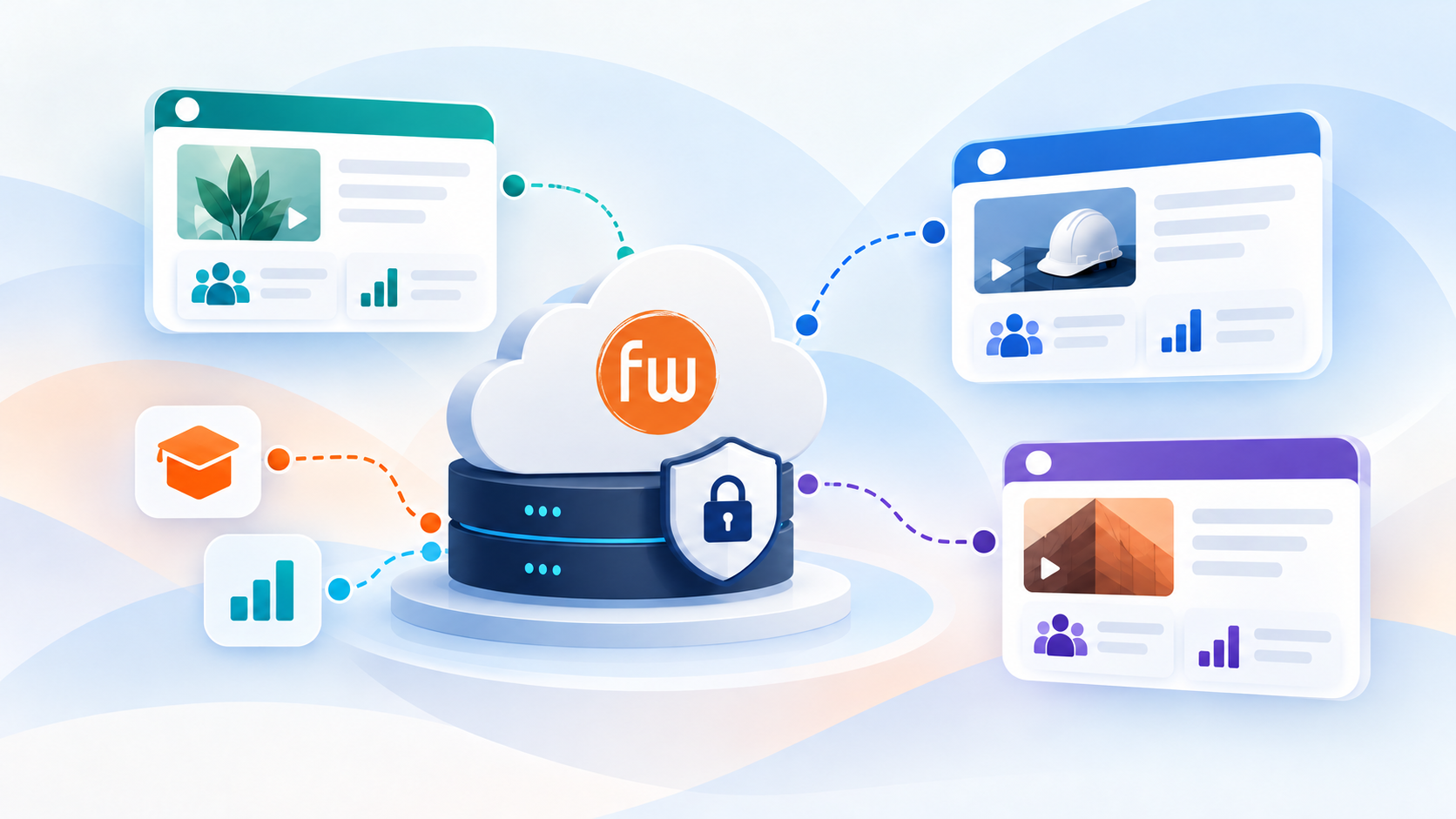
That is where multi-tenant eLearning hosting services matter. A multi-tenant platform lets you create separate training portals for different clients while managing the larger operation from one central system. Each organization can have its own users and learning records without seeing another client’s information.
Your platform should also support the practical parts of course delivery, including:
- SCORM content for consistent course tracking
- Course catalogs and learner enrollments
- Access across common devices
- E-commerce options for selling training
- Automated messages related to learning activity
With these tools in place, you can spend less time moving information between disconnected systems. Your team can focus more on supporting clients and keeping courses current.
Give Every Client a Branded Training Portal
Branding plays a bigger role than many people expect. Learners are more likely to see training as part of their work when the portal includes their company name, logo, colors, and relevant course options. It feels more connected to their workplace than a generic site with unrelated training beside it.
A branded portal should not mean setting up a completely separate LMS for every account. Instead, you should be able to configure client-specific visual elements, domains, course catalogs, and communications within one managed platform. That gives your clients a more personal experience without turning each new account into a large technical project.
Client administrators also need the right amount of control. Depending on the program, they may need to add learners, assign courses, monitor progress, or run reports for their own organization. Good eLearning hosting services let you provide that access while keeping your course management tools and other client accounts protected.
This balance matters. Your clients can manage routine tasks on their own, while you keep control over the overall training operation.
Protect Data and Make Administration Easier
Separate client data is not an optional extra in B2B training. Every organization needs confidence that its learner records, completion details, assessments, and reports are visible only to authorized people.
Role-based user management helps make that possible. Different people need different levels of access, and a well-structured platform lets you define those roles clearly. For example:
- Learners can take assigned courses and view their own records
- Client administrators can manage users and review their organization’s reports
- Instructors can support learning activity when needed
- Internal staff can oversee portals, content, and client accounts
Clear permissions reduce confusion and help prevent avoidable errors. They also keep routine client tasks with the people who are best placed to handle them.
Reporting is another major part of the hosting experience. Your clients may want proof of enrollments, completions, learner progress, assessment results, and certificate status. At the same time, you need a way to see training activity across all client portals without manually gathering data from separate systems.
Centralized administration keeps those tasks manageable. Rather than maintaining disconnected portals or compiling reports by hand, you can manage content, users, client accounts, and learning records in one place.
Prepare for Future Training Plans
Scalable hosting gives you room to respond. You can launch a new client portal, add users, update a course library, or support an expanded training program without rebuilding your delivery process from scratch. That flexibility is especially helpful when a client renews, adds departments, or prepares for regular onboarding and compliance schedules.
Before planning conversations pick up speed, it helps to review a few practical questions. Can you create separate branded portals without a long setup process? Can clients handle their own users and reports? Can you deliver SCORM content reliably and show clear training results?
The answers can reveal whether your current setup supports your next stage of growth. A well-organized hosting platform helps you enter the next planning cycle with cleaner processes, stronger client service, and a delivery model that can grow alongside your training business.
Deliver Branded Training Portals With Confidence
Firmwater helps training providers deliver courses to business clients through separate, branded portals without adding unnecessary complexity. See how our eLearning hosting services can support your client structure, course delivery, and administrative needs. Book a demo to discuss the right approach for your training business.