



You sell training, not just content. To win bigger B2B deals, your sales conversations need to show that. Question-based selling helps you shift from talking about courses to talking about real business problems, like compliance risk or slow onboarding. When you pair that approach with a B2B LMS built for external clients, your questions suddenly shape the whole solution, from portals to pricing to SCORM delivery.
If your questions help buyers think clearly about outcomes and operations, you become a partner in their planning, not just another vendor with a catalog.
Turn Question-Based Selling Into Your Q4 Advantage
Question-based selling is simple. Instead of pushing your training content, you ask structured, thoughtful questions that uncover what your client is really trying to fix. You guide the talk, but your buyer does most of the explaining.
With a B2B LMS, those answers are not just “nice to know.” They directly shape how you:
- Set client portals and sub-portals
- Organize SCORM catalogs and access rules
- Plan ecommerce, licensing, and renewals
- Connect the LMS to tools like CRM or HR systems
If you have better questions, you qualify deals faster, close more of the right ones, and design solutions that actually fit your training ecosystem.
Rethink Your Sales Conversations Around Client Outcomes
The first big shift is moving from “what courses do you need?” to “what business outcomes are you targeting?” Most of your clients start with content in mind, but what they really care about is impact.
Try anchoring on questions like:
- What do you want to be different in 6 to 12 months?
- Where are you seeing the most risk or frustration right now?
- What happens today when people do not complete training?
Then go deeper. Ask about:
- Current training gaps
- Past compliance incidents or audit findings
- Onboarding timeframes for partners or clients
- What their executives expect to see in reports
Once you hear those answers, connect them to clear KPIs you can support with your B2B LMS, such as completion rates, time to competence, client adoption, and usage by role or location. Turn this into a simple “success definition” you can repeat back later in proposals, demos, and renewal talks.
Map Smart Questions to Each Stage of Your Sales Cycle
You do not need a giant script. You just need the right questions at the right stage.
During discovery, focus on fit and structure:
- Who are you training: employees, customers, partners, or all three?
- How many external clients, locations, or regions do you support?
- Do different groups need different branding or course access?
In solution design, dig into content and tech:
- How technology literate are your end users?
- How do you want them to log in and access the LMS?
- What tools do you already use for employee management?
At validation, confirm what you think you heard:
- Can I repeat your top three priorities to be sure I got them right?
- What budget and timeline are you working with?
- Who needs to sign off, and what do they care about most?
At closing, use future-focused questions to lower risk:
- What will success look like 90 days after launch?
- What would make this rollout feel smooth for you?
- If you hit those targets, what happens next for your program?
Each answer tells you how to shape your LMS configuration, rollout plan, and support model.
Use Your B2B LMS to Make Every Question More Valuable
When you know what your B2B LMS can do, your questions become sharper and more practical. You can ask things that other vendors cannot back up.
Ask about branding and control:
- Do your clients expect their own branded training portal?
- Do you want them to manage their own users, or do you prefer to control that?
Ask operational questions that link directly to platform features:
- How do you handle enrollments today, and what is painful about it?
- What kind of reports do your stakeholders actually read?
Then surface integration needs:
- Should training activity feed into your CRM or HR system?
- Which type of courses are part of your training process today?
Your goal is to turn answers into a configuration blueprint: which portals to set up, which SCORM catalogs each group sees, how your ecommerce or licensing is structured, and what automation rules you need.
Design Question Frameworks for Multi-Client Training Deals
Selling training to one company is one thing. Selling at scale to franchises, dealer networks, distributors, or big enterprises with many departments is another level. Question-based selling helps you manage that complexity without getting lost.
Create a reusable question set that focuses on:
- How many external clients or locations you serve
- How much freedom each client should have over content and branding
- Who owns training at each level of the organization
Then explore revenue models:
- Do you sell by seat, by subscription, by bundle, or per license?
- Do different partners pay in different ways?
- Do you want to upsell premium catalogs or features?
Ask about support and admin too:
- Who should handle enrollments: you, your client, or both?
- Who answers user support questions when someone is stuck?
- Who needs access to reports in each client environment?
These answers guide how you structure multi-tenant portals, SKUs, access terms, and admin roles so your training business can grow without constant manual work.
Turn Your Demo Into a Live Answer to Their Questions
A great LMS demo is not a tour of buttons. It is a live response to the questions you already asked and the answers your buyer gave you.
Use what you learned in discovery to plan the flow. Show your prospect:
- Their audience structure as portals or groups
- Their content types as catalogs and enrollments
- Their reporting needs through specific dashboards and exports
During the demo, keep checking in with simple questions like, “Does this match how you actually work?” When they say no, adjust on the spot. That co-design feeling builds trust, because they see you shaping the B2B LMS around their real process, not forcing them into a rigid model.
You can also use scenario-based questions, such as “What happens when you onboard a new client?” Then walk through those exact steps in the platform. Close the loop on everything they cared about earlier, including branding, SCORM performance, client segmentation, ecommerce, and analytics.
When you sell this way, your questions do the heavy lifting. They lead to better-qualified deals, stronger proposals, and LMS implementations that work in the real world, whether you are serving a handful of clients or a wide network across different regions and climates.
Transform Your Training Experience With a Purpose-Built B2B LMS
If you are ready to centralize client training and streamline how you manage multiple customers, our B2B LMS is designed to support that growth. At Firmwater, we help you deliver consistent, branded learning experiences while keeping administration simple and scalable. Share a bit about your training goals and audience, and we will recommend the best setup for your organization. To explore options or request a demo, book a demo.
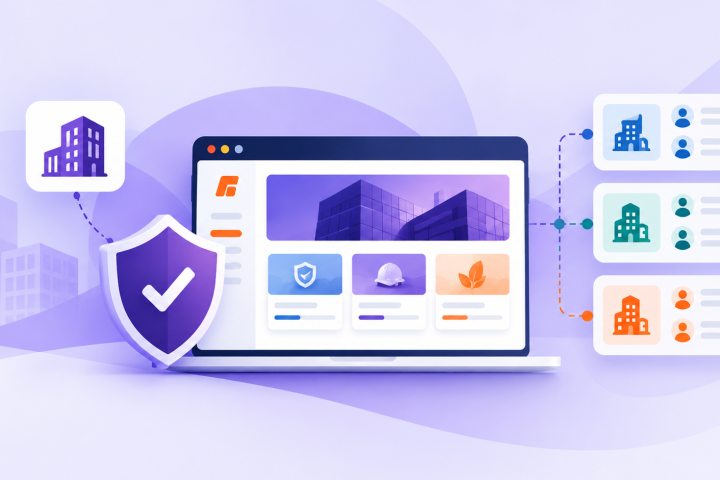
Designing a Client Training Portal That Enterprise Buyers Trust
Enterprise buyers judge you fast. Before they believe your training will work for hundreds or thousands of people, they look at one thing: your client traini...Continue reading→
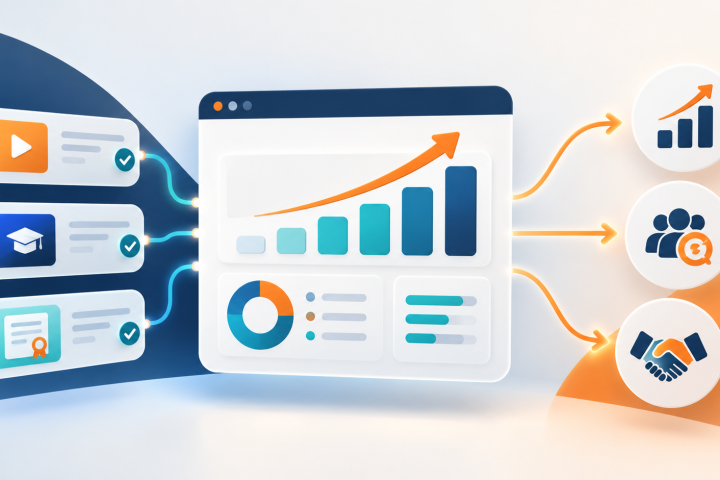
Unlocking Client Training Reporting as a Sales Advantage
Client training reporting is not just a box to check. It can be one of the strongest tools you have to win deals, keep clients, and grow accounts. When you s...Continue reading→